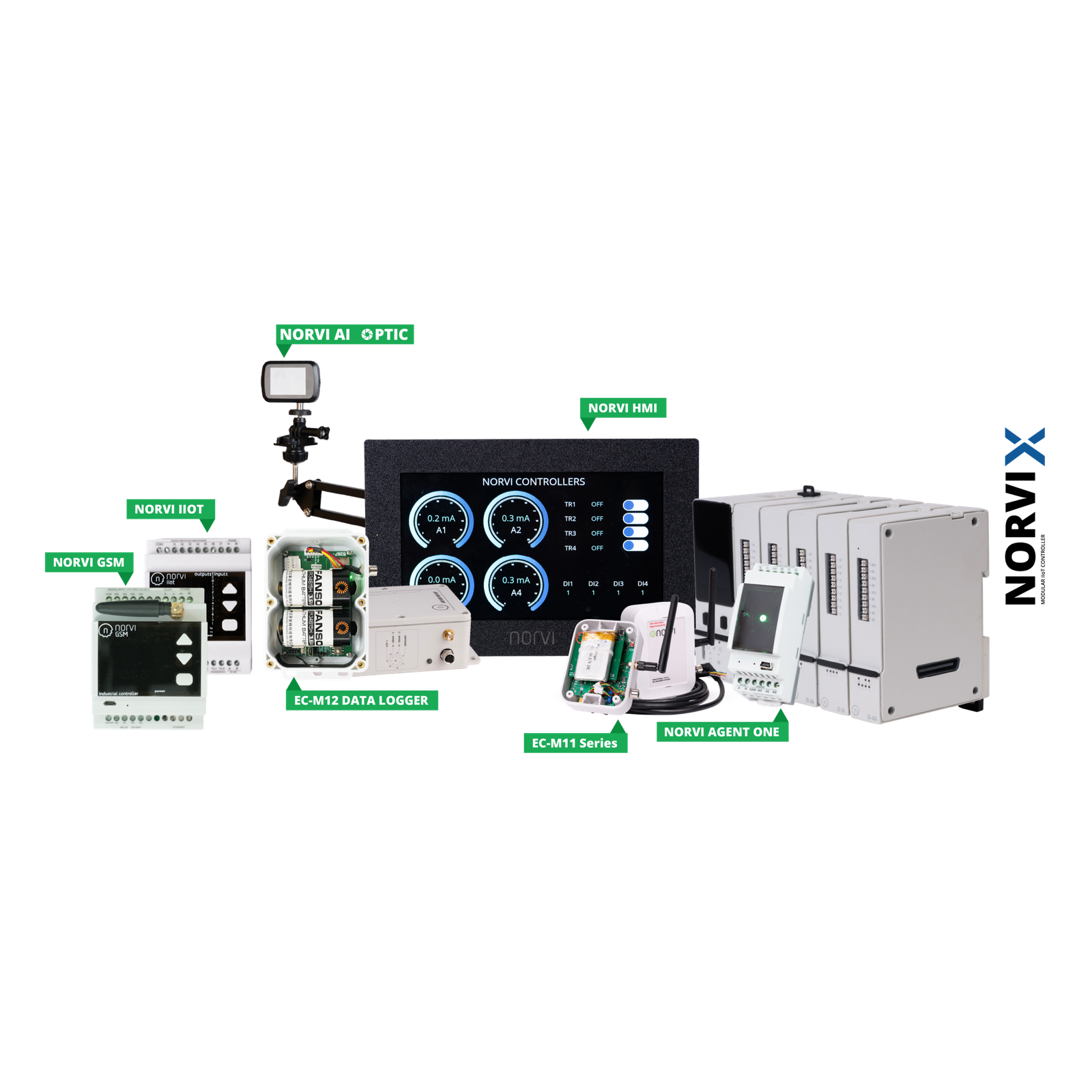
NORVI X | ESP32-S3 Based
NORVI X is a modular industrial IoT controller that bridges legacy equipment with modern cloud systems. In addition, it is built for machine builders, systems integrators, and OEM teams that need industrial connectivity, scalable I/O, open development tools, and a clear path from field devices to cloud platforms.
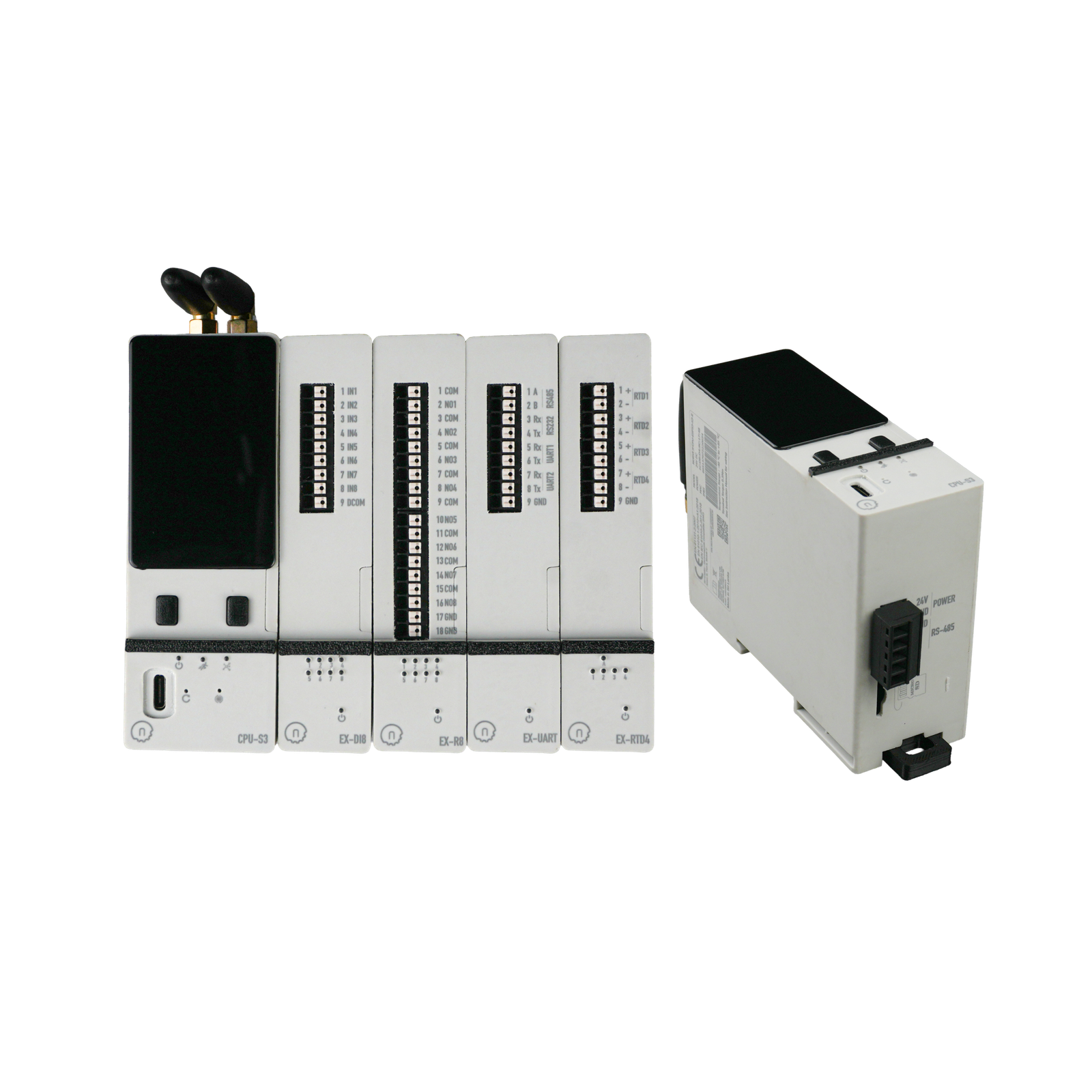
Everything a machine builder needs: modular I/O, native cloud connectivity, and an open-source development environment, all in a single DIN-rail controller.
F-01
Dual-core 32-bit processor with 520 KB SRAM and 16 MB Flash. In addition, native Wi-Fi and Bluetooth 5.0 BLE are built in, with optional 4G LTE via SIMCOM or Quectel modem modules.
F-02
As a result, you can scale from minimal I/O to as many as 200 digital, analog, relay, and transistor I/O points without redesigning the panel.
F-03
Therefore, native RS-485 Modbus RTU and Ethernet Modbus TCP can integrate with legacy PLCs, VFDs, energy meters, and SCADA systems without additional gateway hardware.
F-04
In addition, the integrated TFT SPI display with capacitive touch supports on-device configuration and real-time monitoring. As a result, no external HMI is required. You can view process data directly on the controller.
F-05
Therefore, the hardware real-time clock maintains accurate timestamps across power outages, which supports event logging, scheduled tasks, and time-stamped SCADA data.
F-06
In addition, TLS 1.2 encryption, certificate-based authentication, firmware signature verification, and optical isolation support industrial deployments. The applicable standards are listed in the compliance section below.
F-07
For example, program with familiar tools such as Arduino IDE, ESP-IDF, or MicroPython. In addition, you can use open-source libraries and push OTA firmware updates without proprietary programming-license fees.
F-08
F-09
Finally, the standard TH35 DIN-rail mount fits common industrial control panels. In addition, screw-terminal connections support the 24 V DC supply, while the listed ESD protection is up to 4 kV contact / 8 kV air discharge.
Choose the NORVI X1 for wired and Wi-Fi industrial control or the NORVI X3 when high-speed cellular connectivity is needed. Both work with compatible NORVI X expansion modules.
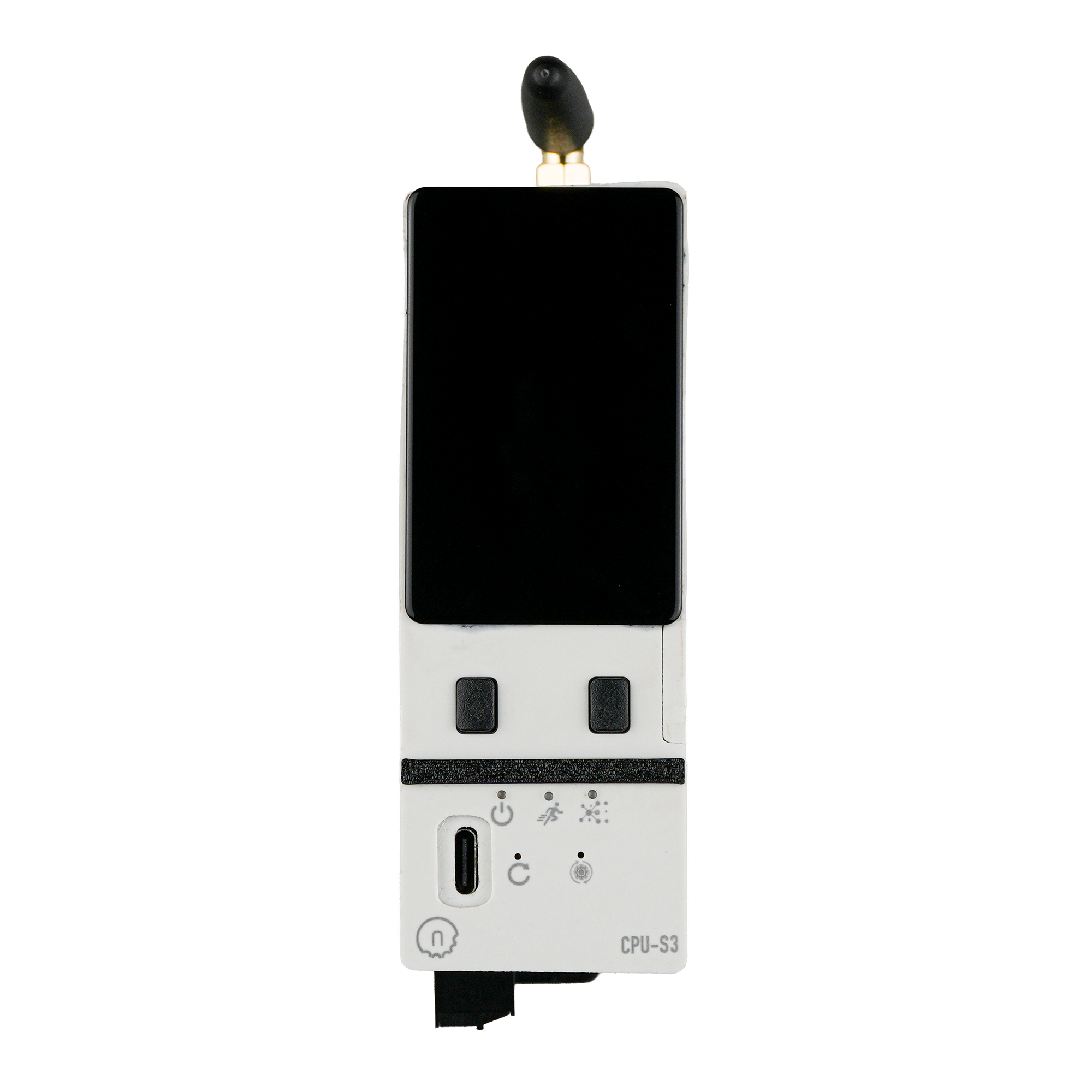
CPU-ESPS3-X1
Connectivity: Wi-Fi · Ethernet · Bluetooth
✓ ESP32-S3-WROOM-1U-N16R2 dual-core
✓ Wi-Fi 802.11 b/g/n + Bluetooth 5.0 BLE
✓Ethernet RJ45 built-in
✓RS-485 Modbus RTU built-in
✓TFT SPI touchscreen display
✓DS3231 hardware RTC
✓Supports up to 200 I/O points
CPU-ESPS3-X3
High-speed cellular: Wi-Fi · Ethernet · 4G LTE
✓ ESP32-S3-WROOM-1U-N16R2 dual-core
✓
Quectel EC25, high-speed 4G LTE✓ Wi-Fi 802.11 b/g/n + Bluetooth 5.0 BLE
✓Ethernet RJ45 + RS-485 built-in
✓TFT SPI touchscreen display
✓DS3231 hardware RTC
✓Supports up to 200 I/O points
Browse the NORVI X modules available in the U.S. catalog, including digital, relay, transistor, analog, temperature, and communication options. Compare the appropriate modules for your system before purchasing.
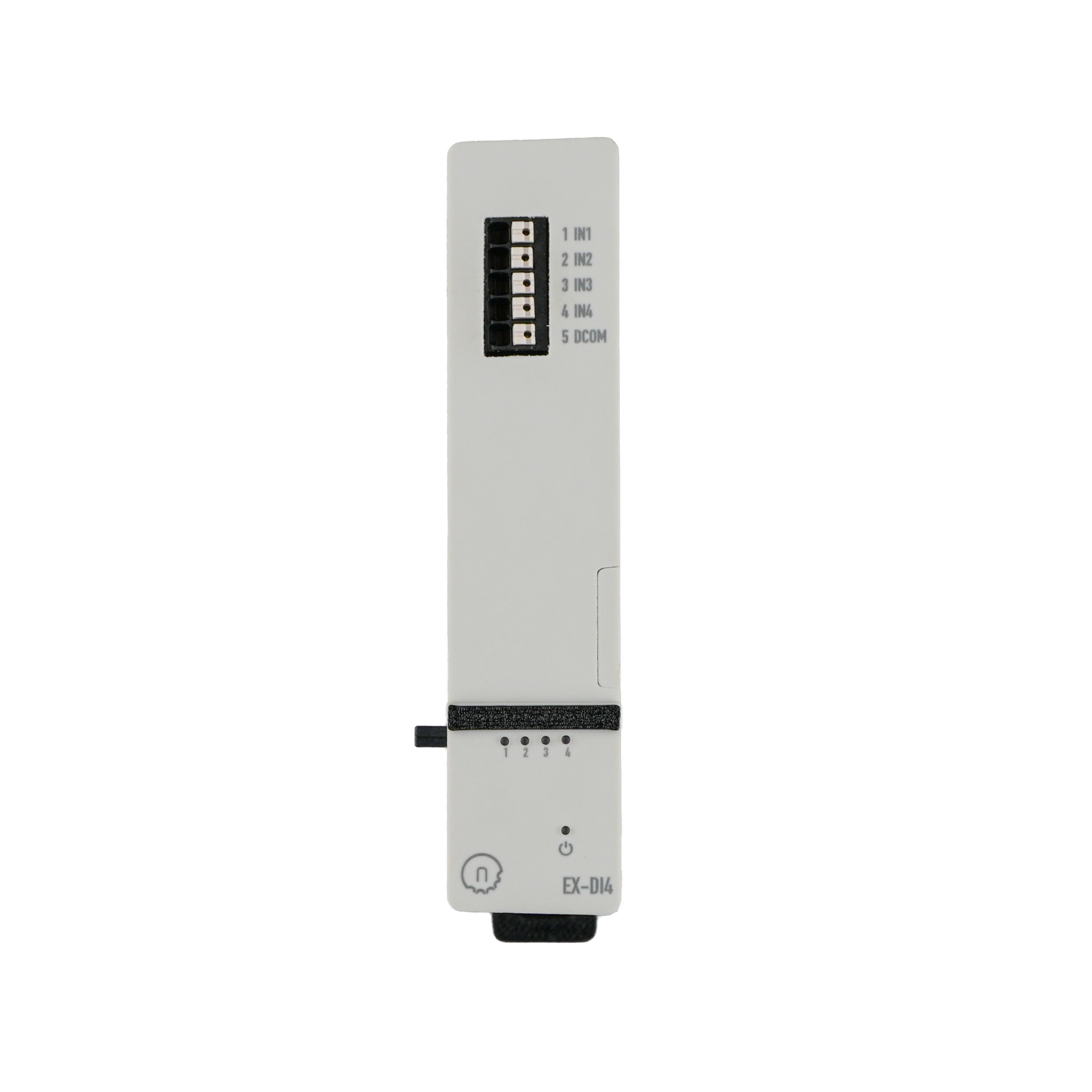
For example, these high-speed optically isolated digital inputs can be used for pulse counting, encoders, and proximity sensors.
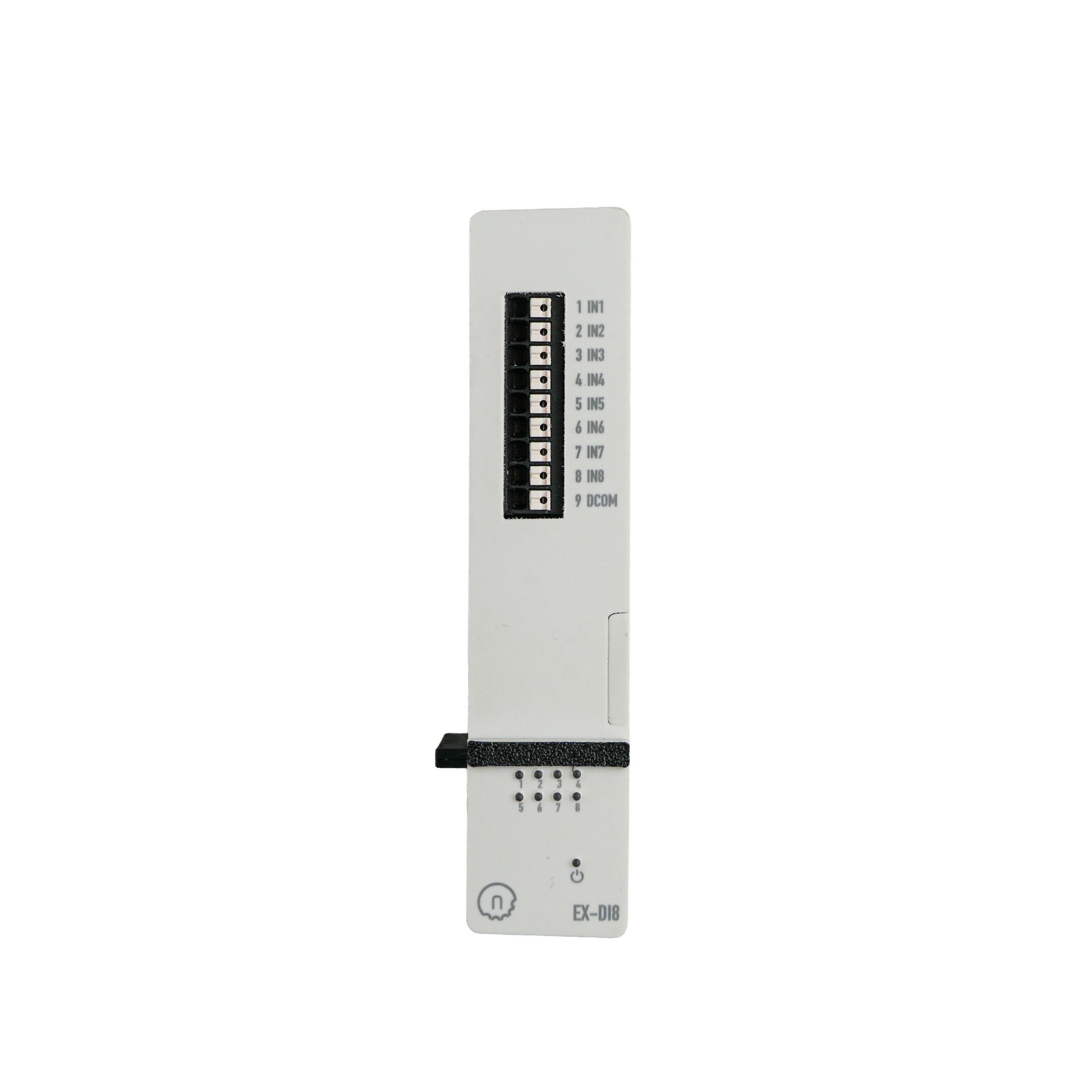
In addition, the 8-channel optically isolated digital input supports switches, push-buttons, and discrete sensor monitoring.
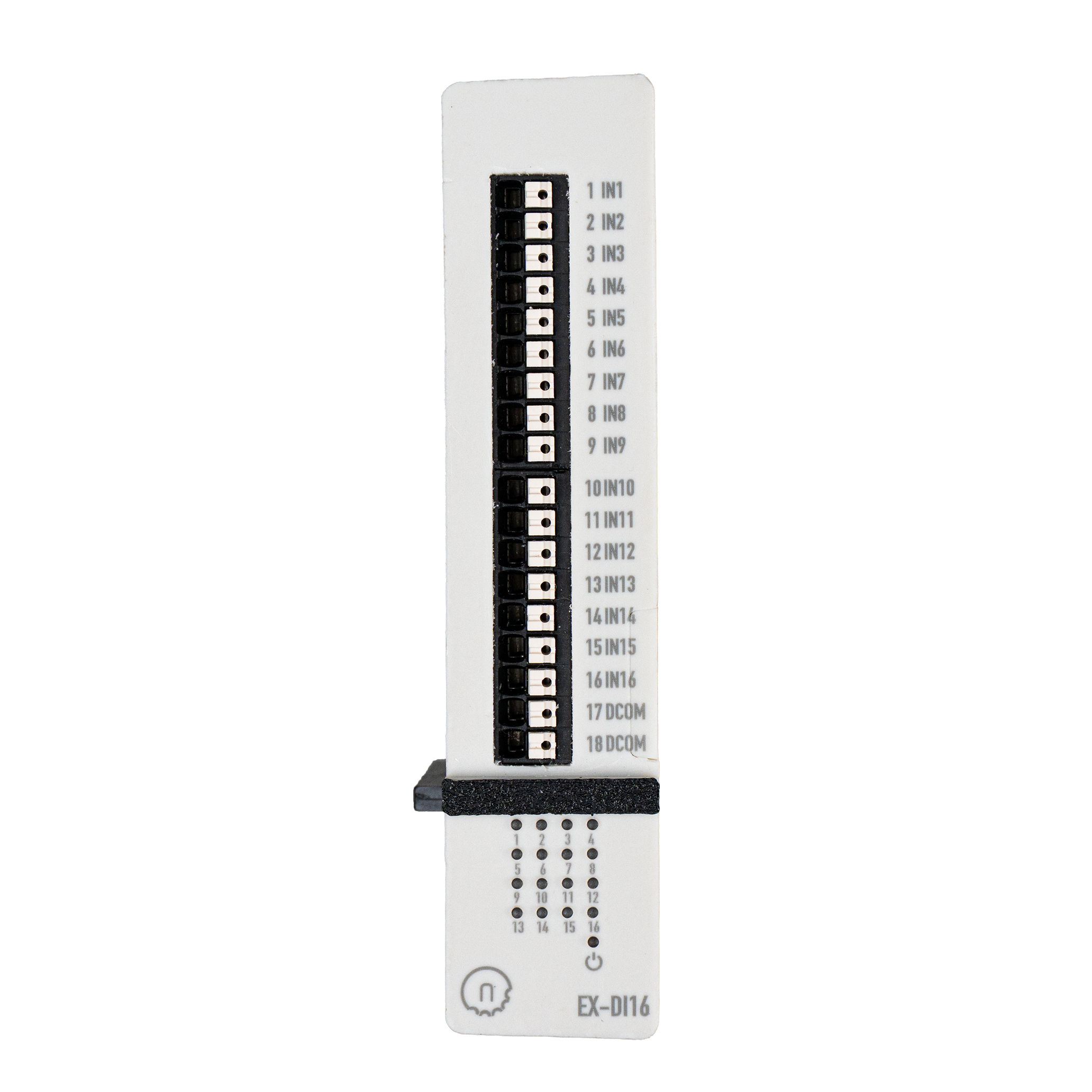
Furthermore, the high-density 16-channel isolated input supports large-scale machine monitoring and fault detection systems.
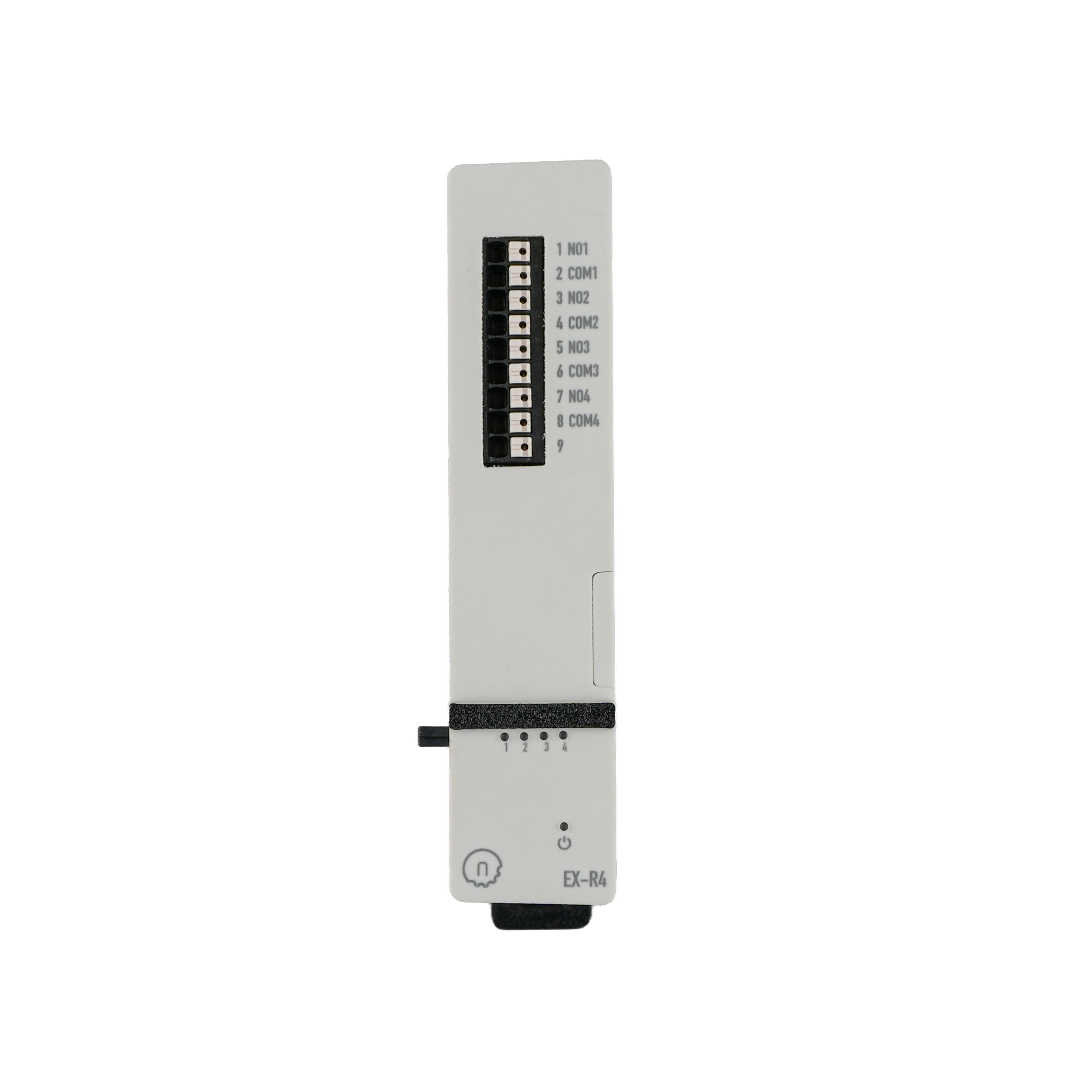
For example, the 4-channel relay can switch AC/DC loads such as HVAC equipment, motor starters, lighting, and contactor coils.
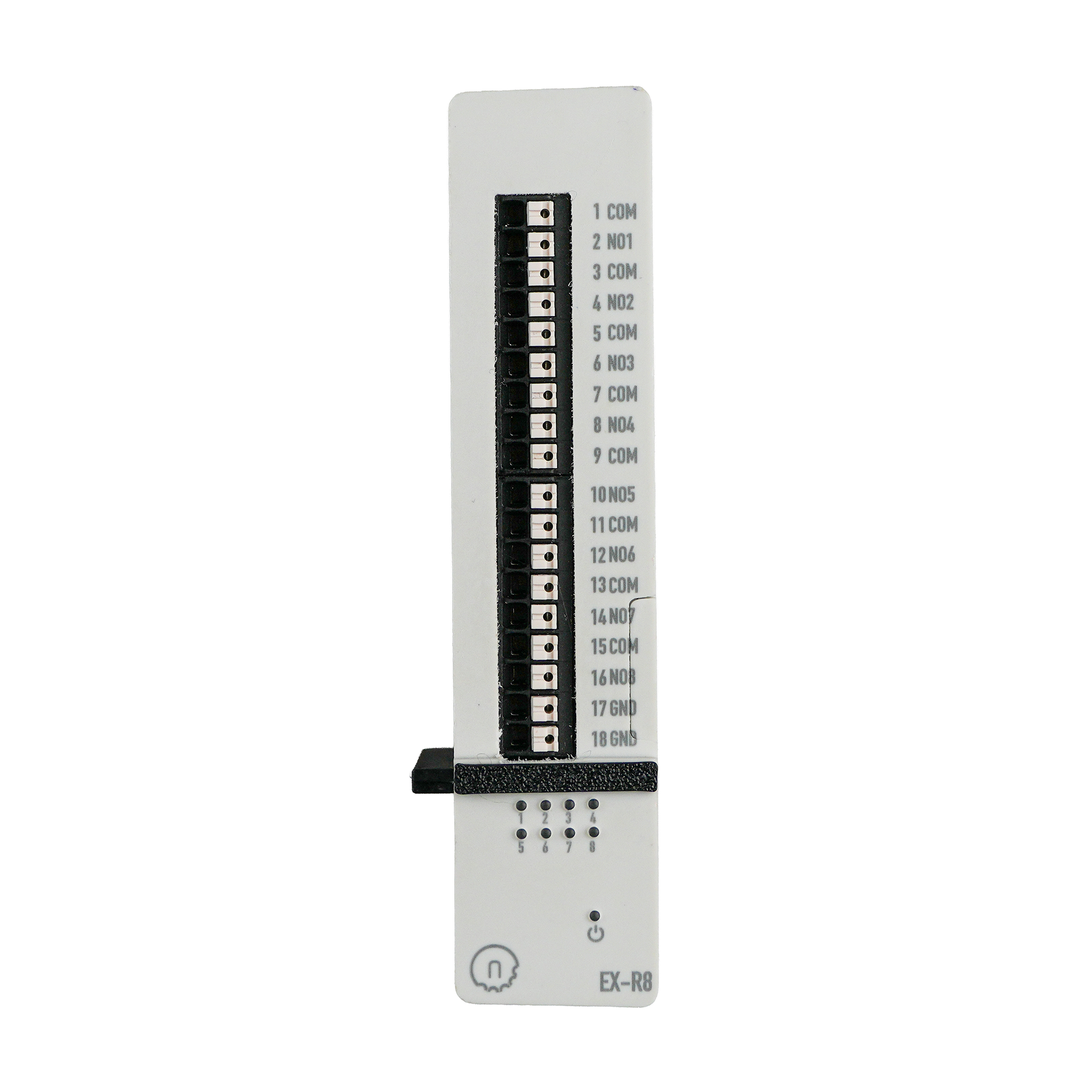
In addition, the 8-channel relay output supports higher-density load switching in building management and factory panels.
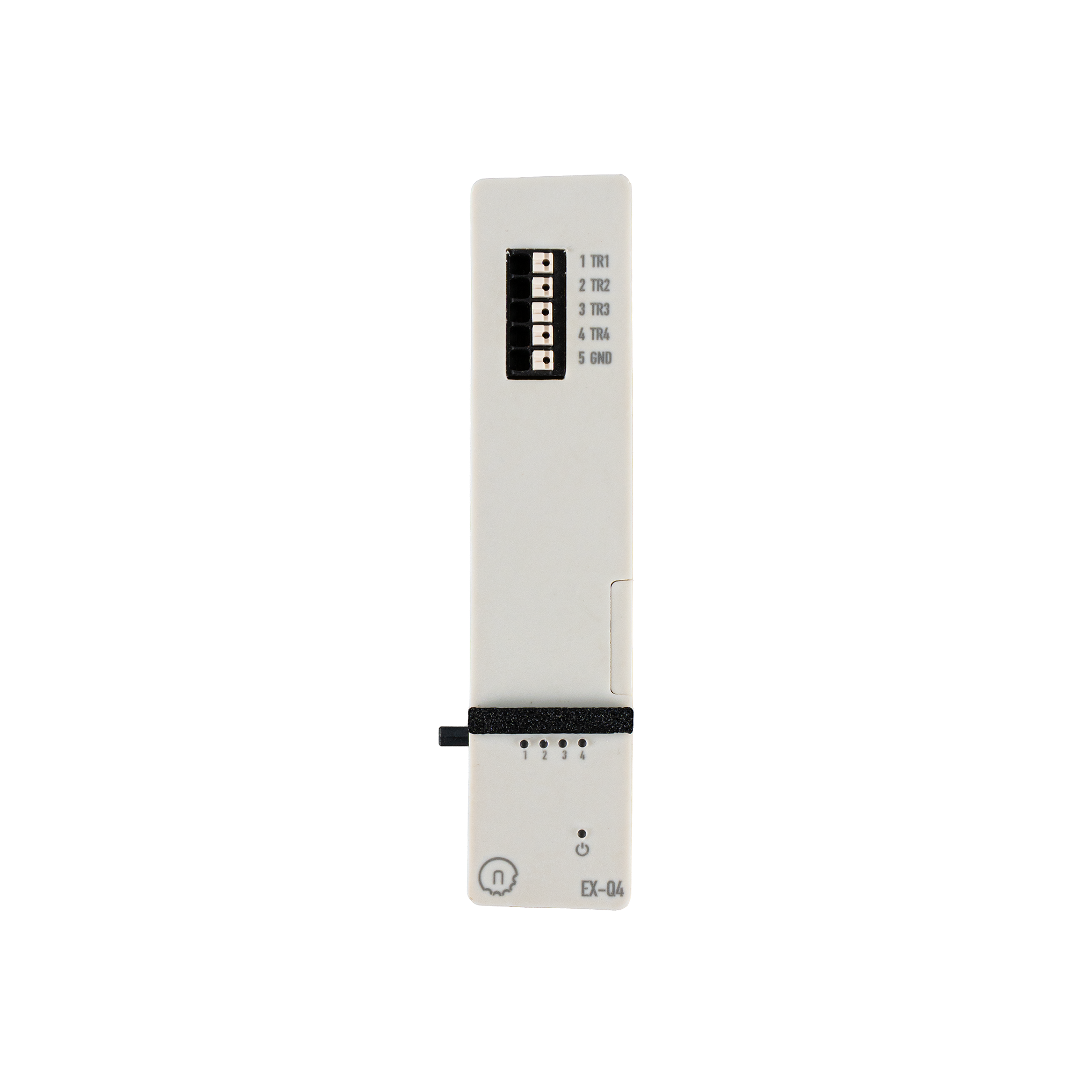
Four optically isolated high-side MOSFET outputs can drive industrial actuators, relays, solenoids, and other 24 V DC loads.
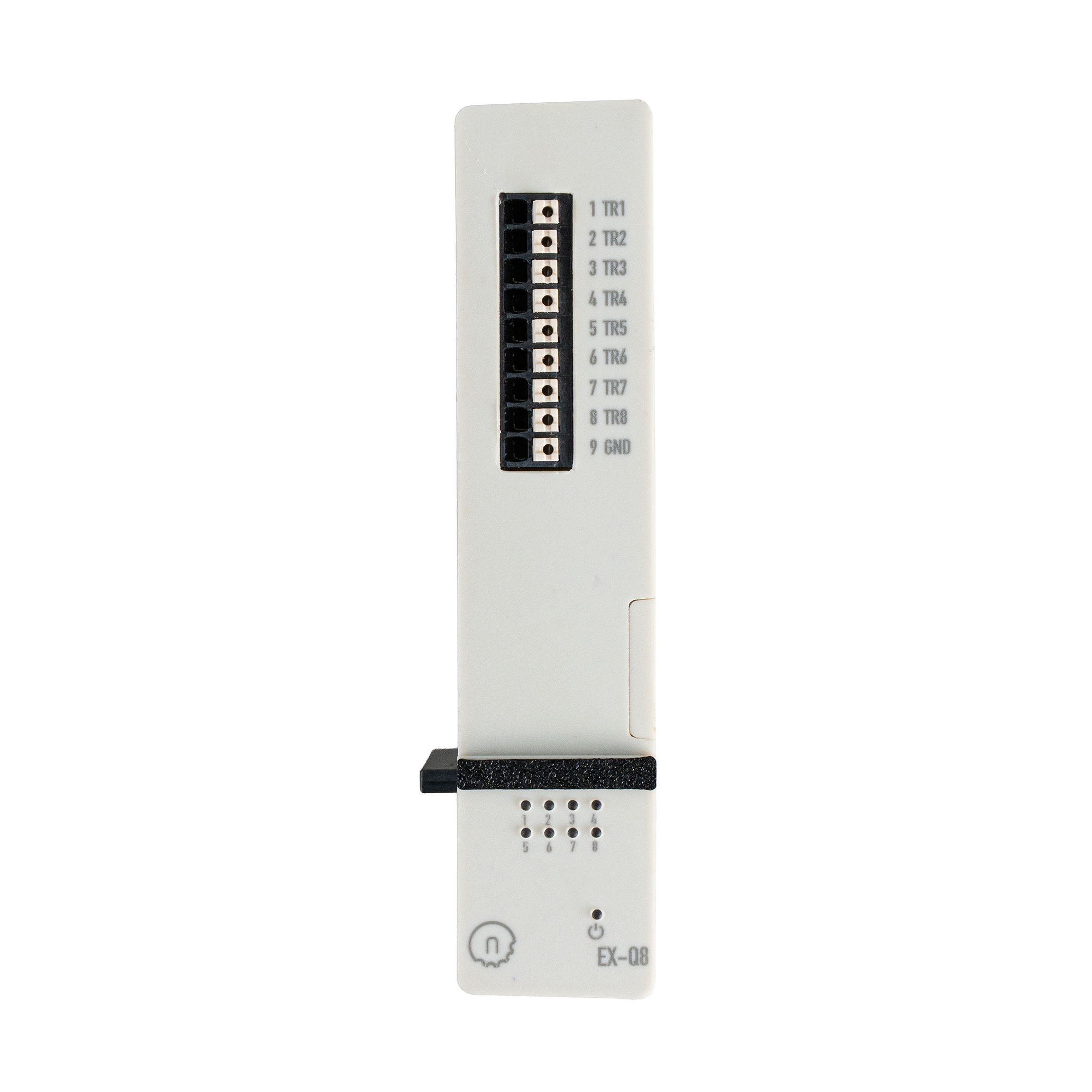
The 8-channel high-side MOSFET output module supports industrial actuators, relays, solenoids, and other 24 V DC loads.
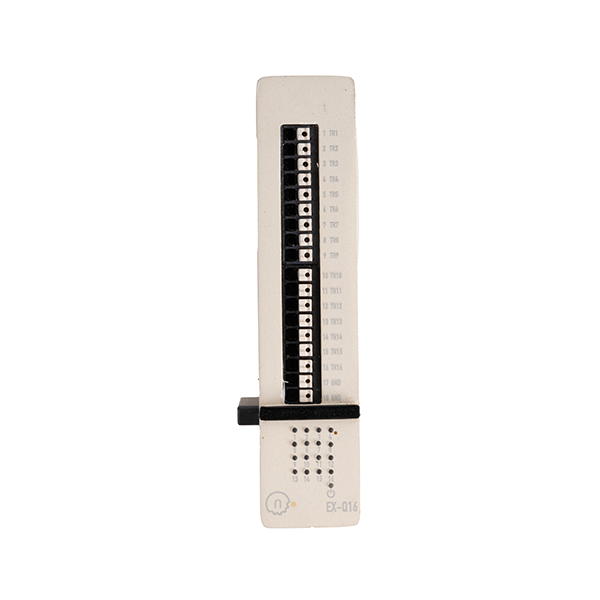
The 16-channel high-side MOSFET output module supports high-density industrial actuator and load control while keeping the module footprint compact.
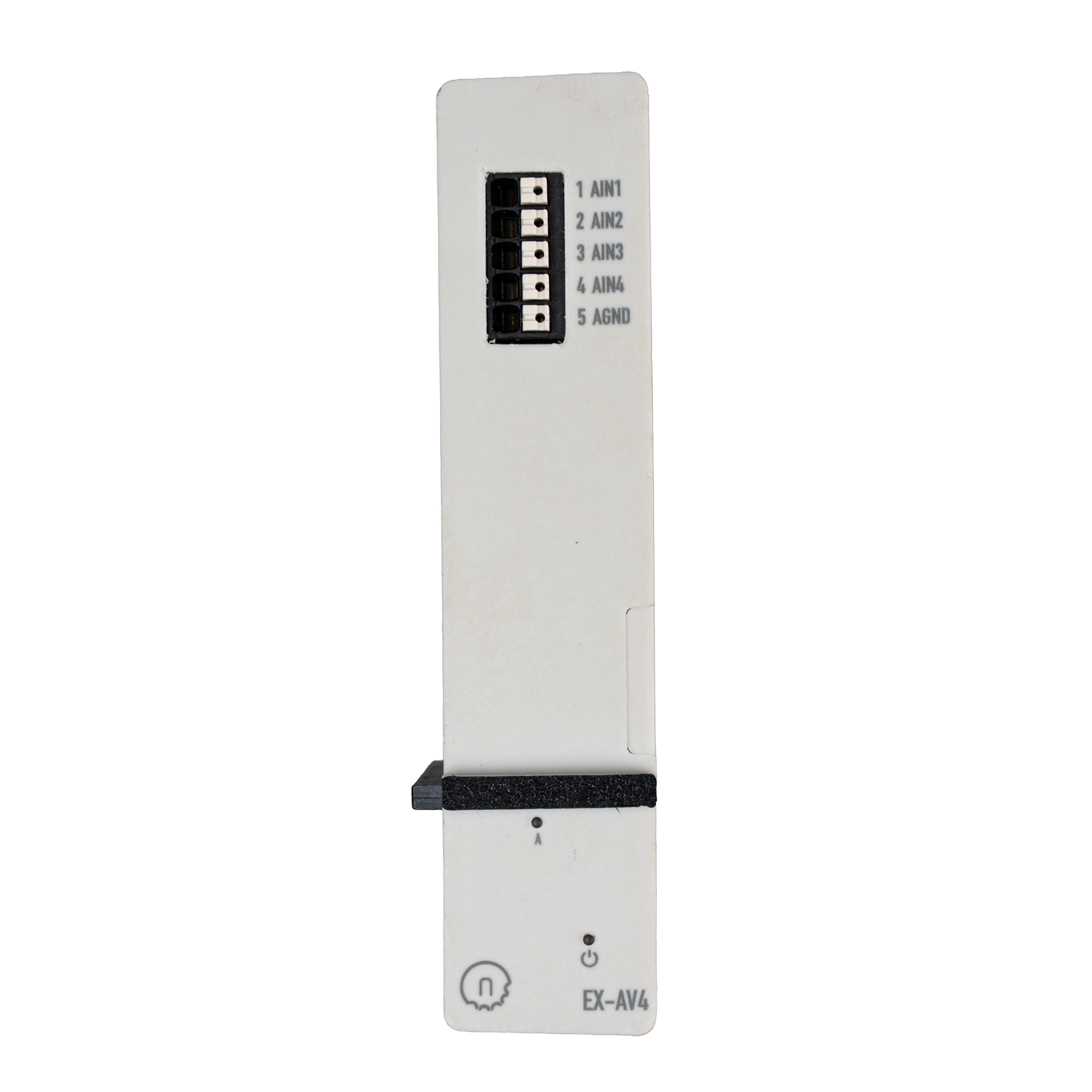
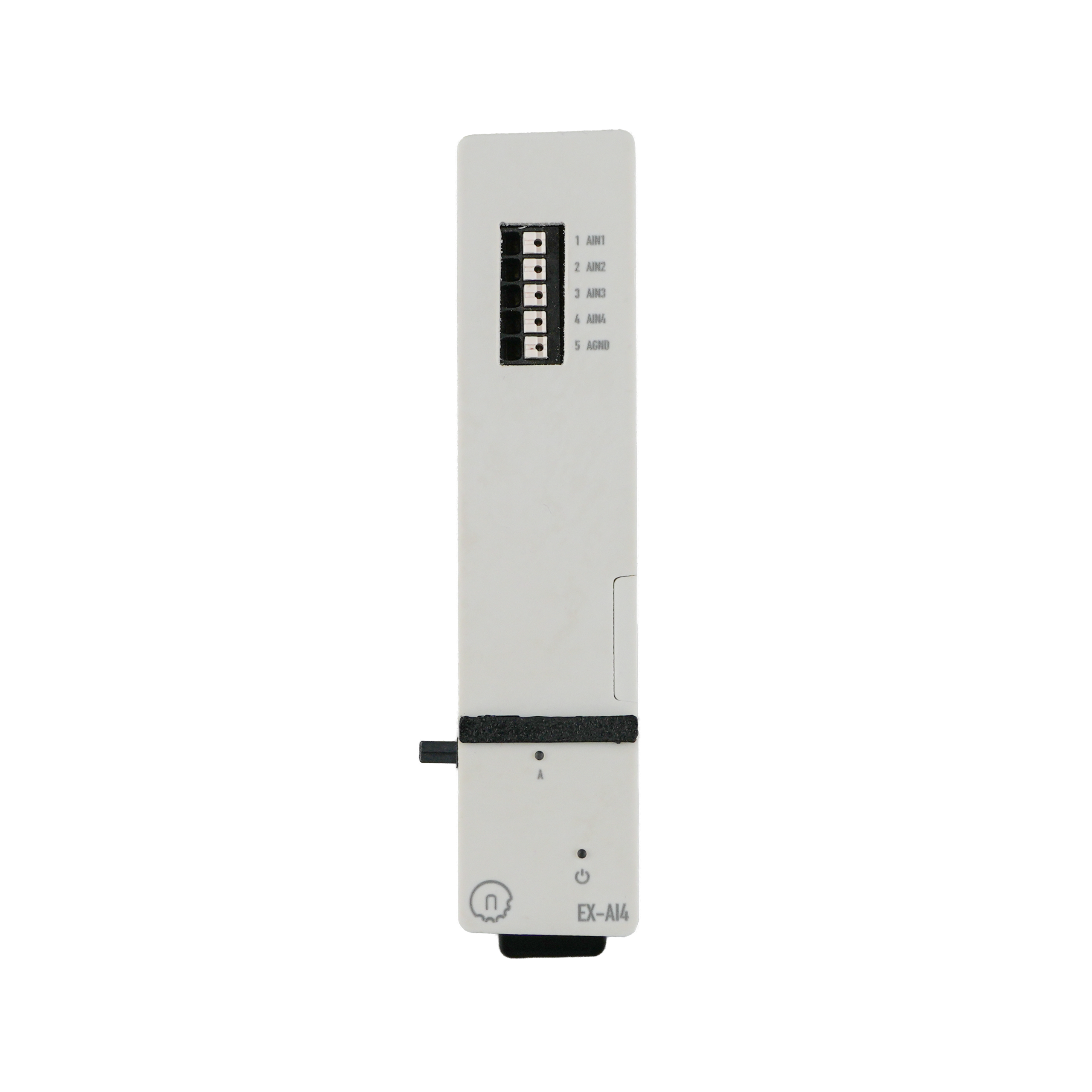
For example, the 4-channel 0–10 V input supports sensors, transducers, and HMI signal loops through a high-resolution ADC.
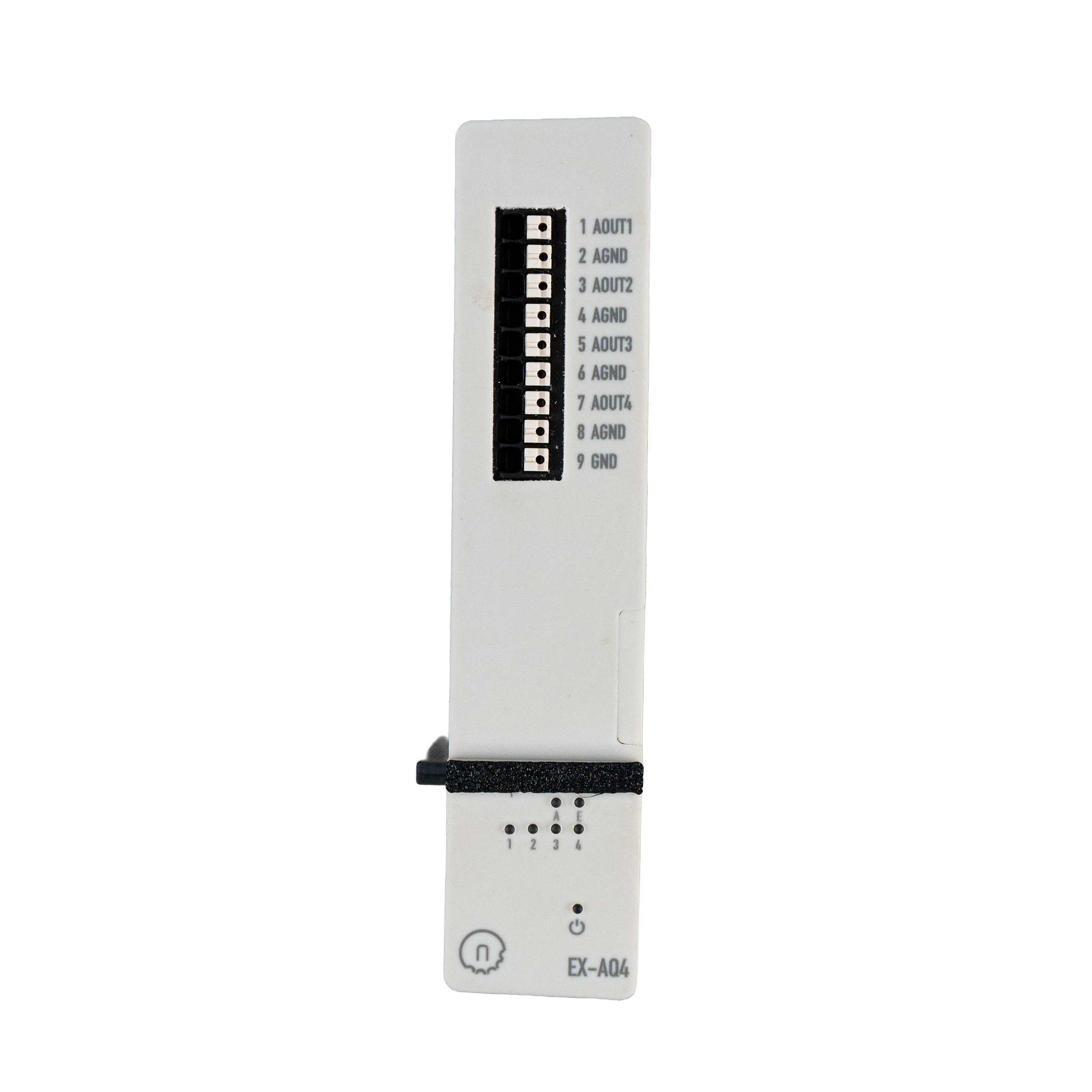
In addition, the dual-mode analog output supports VFDs, proportional valves, and actuators with both 0–10 V and 4–20 mA per channel.
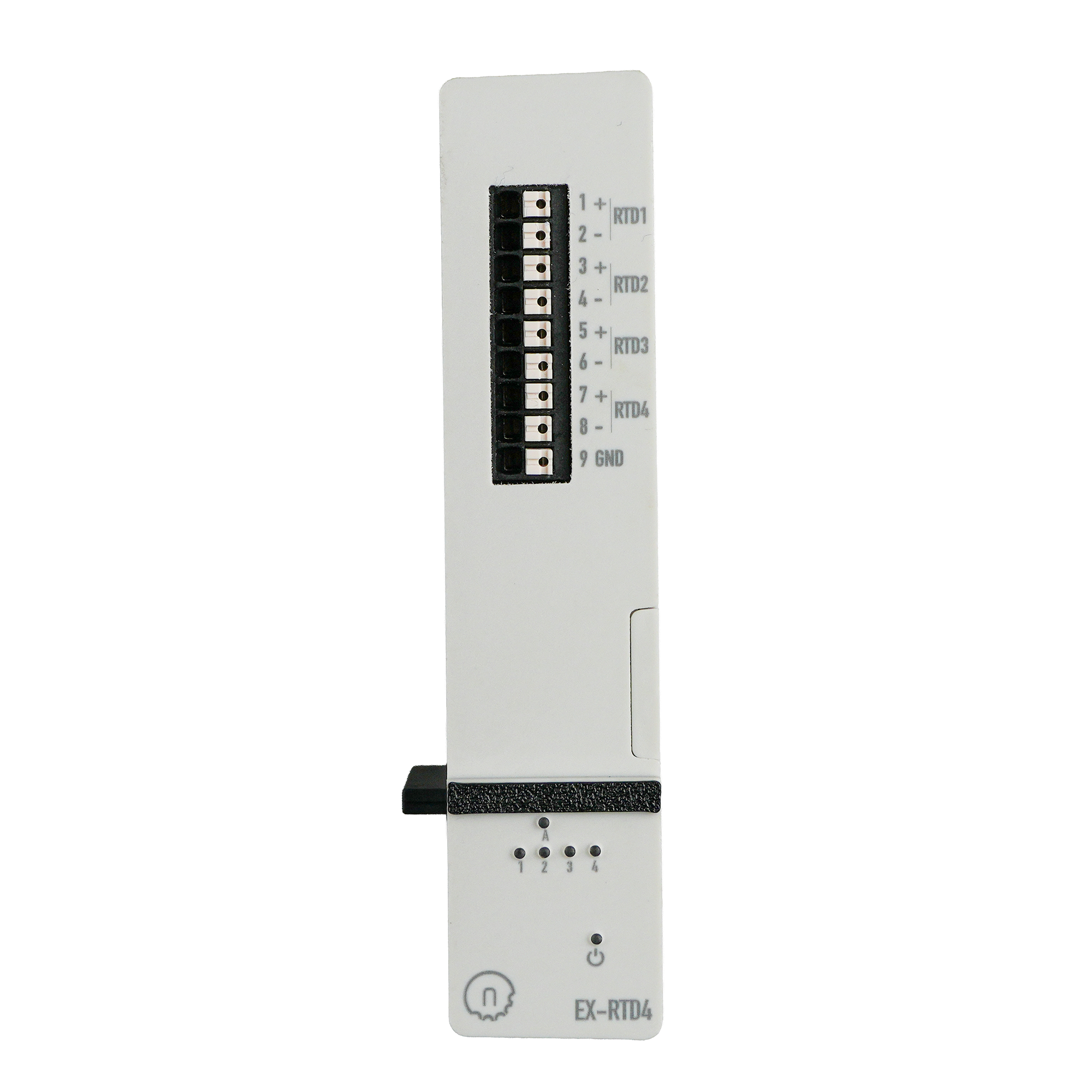
For example, the 4-channel Pt100/Pt1000 RTD interface supports precision temperature measurement in process and HVAC applications.
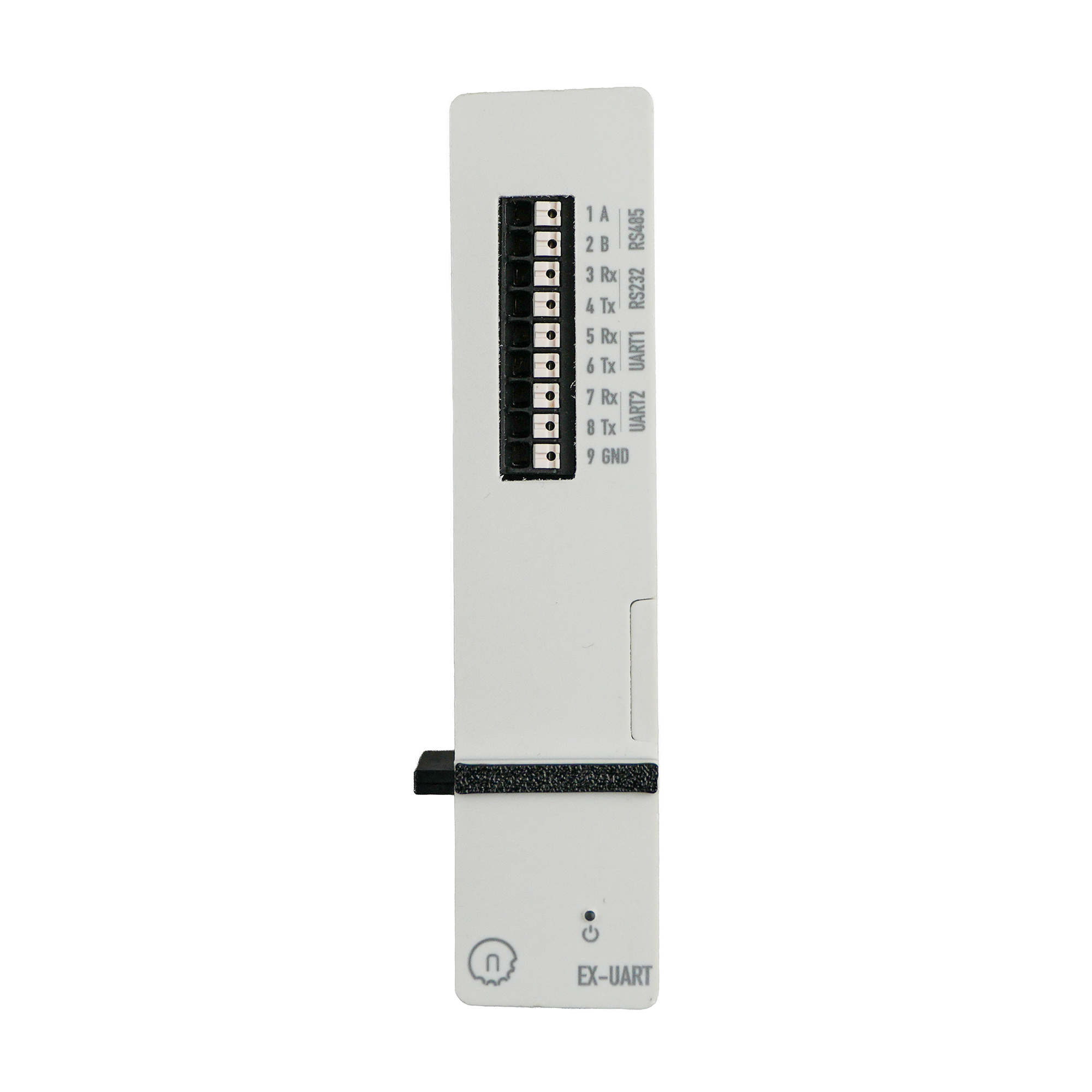
Furthermore, the GPIO connection board provides RS-485 ×2, RS-232 ×2, and UART ×4 for legacy serial device integration.
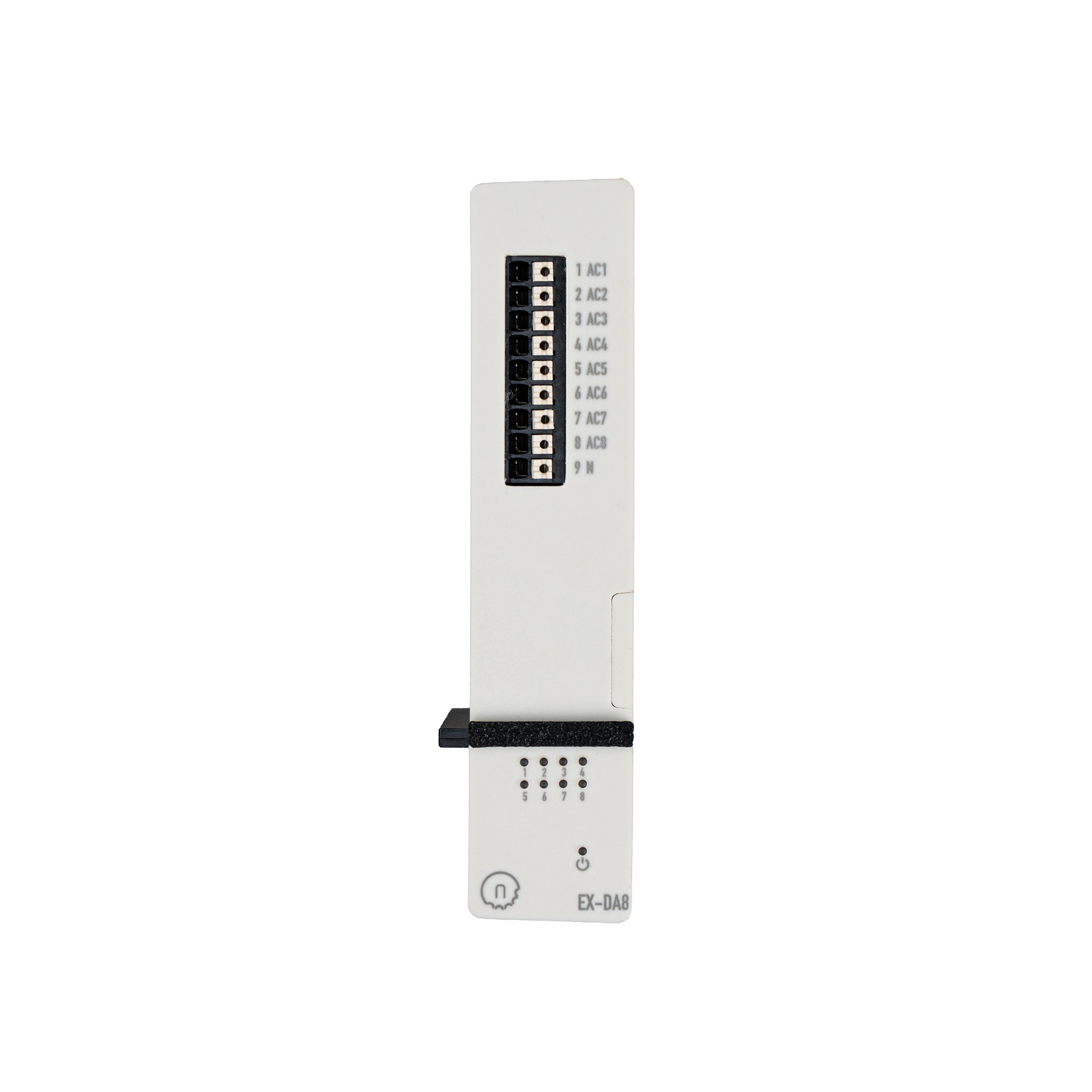
For instance, eight optically isolated 230 V AC digital inputs share one common terminal for compact AC signal monitoring.
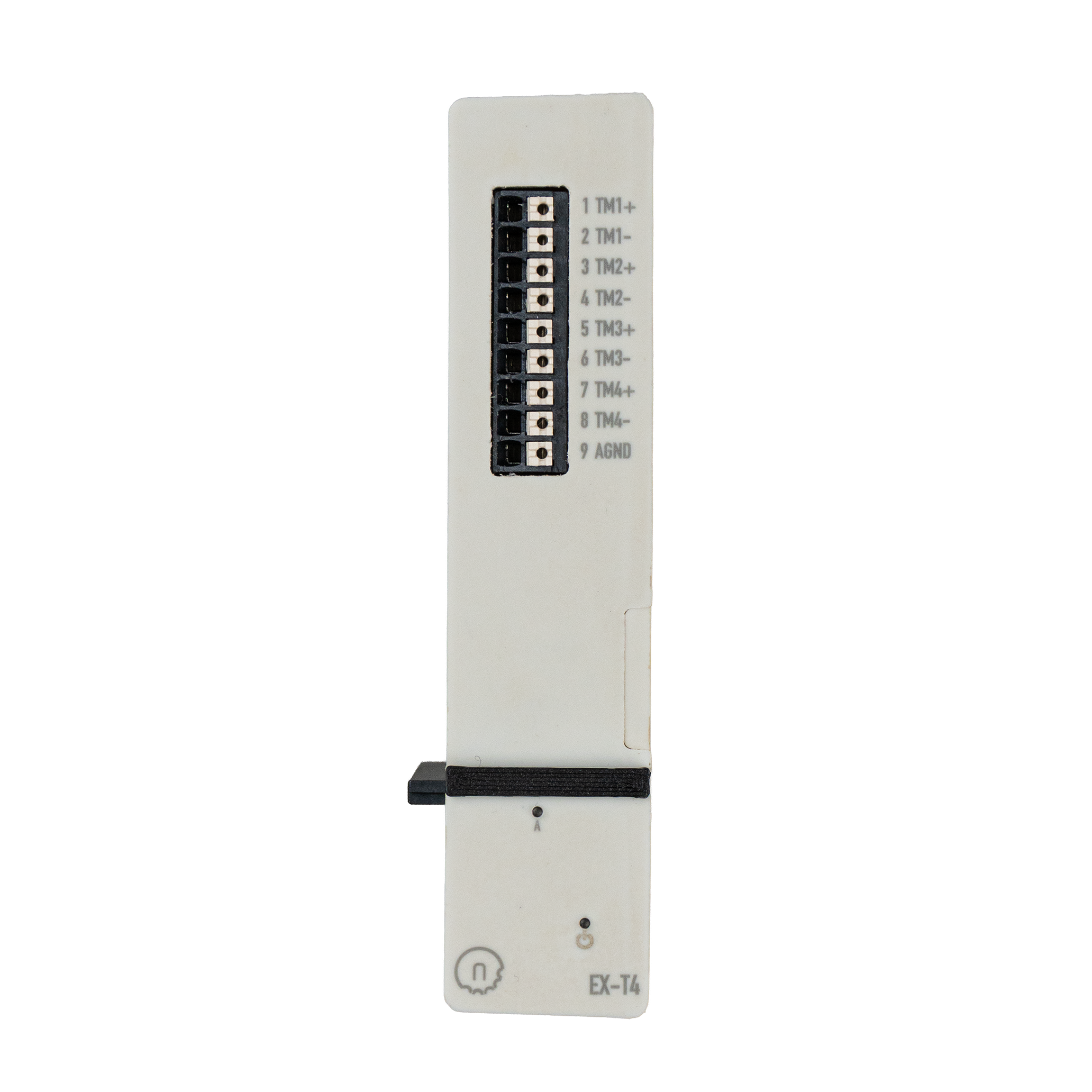
Four 2-wire NTC thermistor inputs with a 16-bit ADS1115 ADC for multi-zone temperature monitoring in HVAC, cold storage, and industrial process equipment.
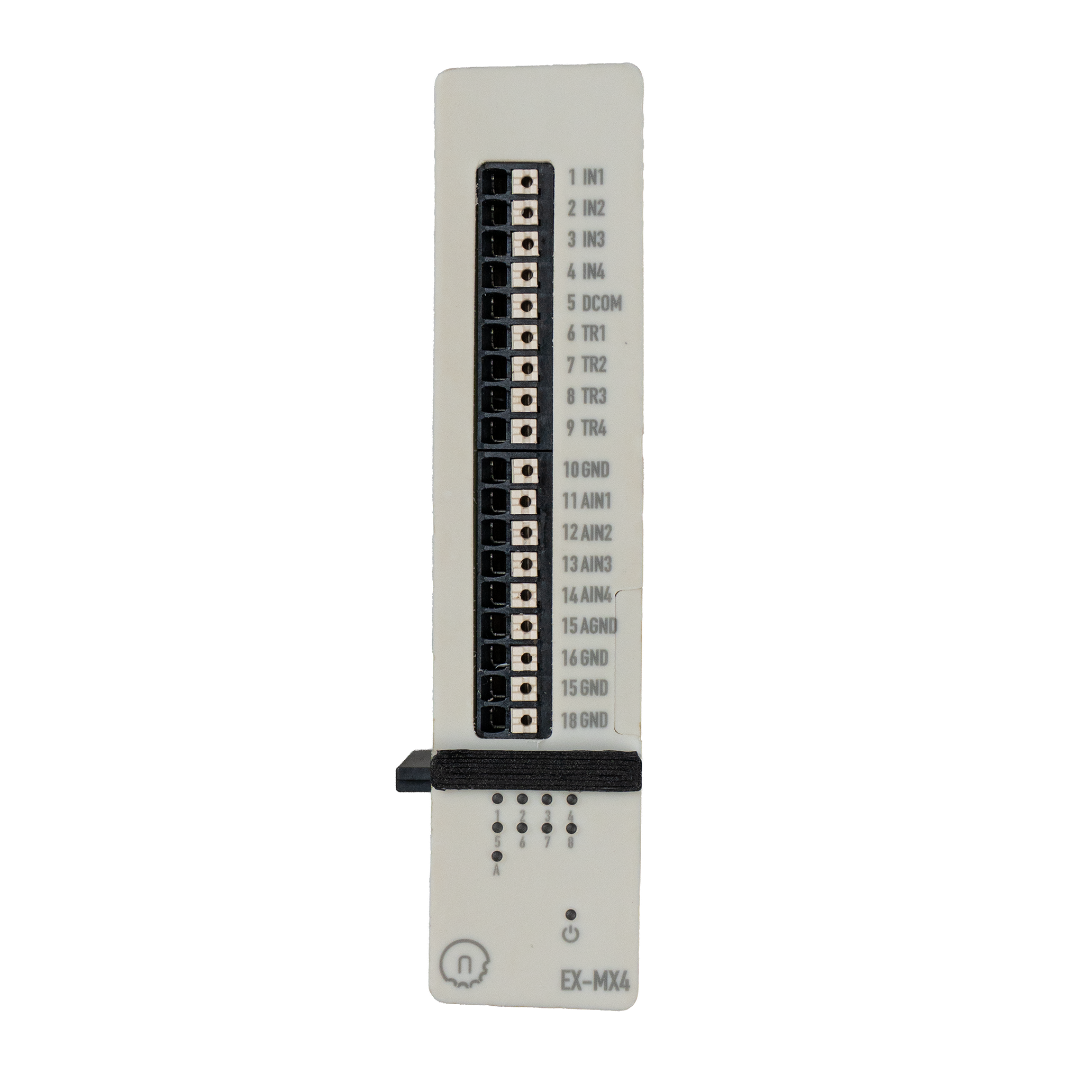
Mixed I/O expansion with four digital inputs, four 24 V transistor outputs, and four 4–20 mA analog inputs for sensors, actuators and machine control.
Breakout module for custom NORVI X field wiring and prototyping. Confirm pin allocation and available GPIO count in the current datasheet before installation.
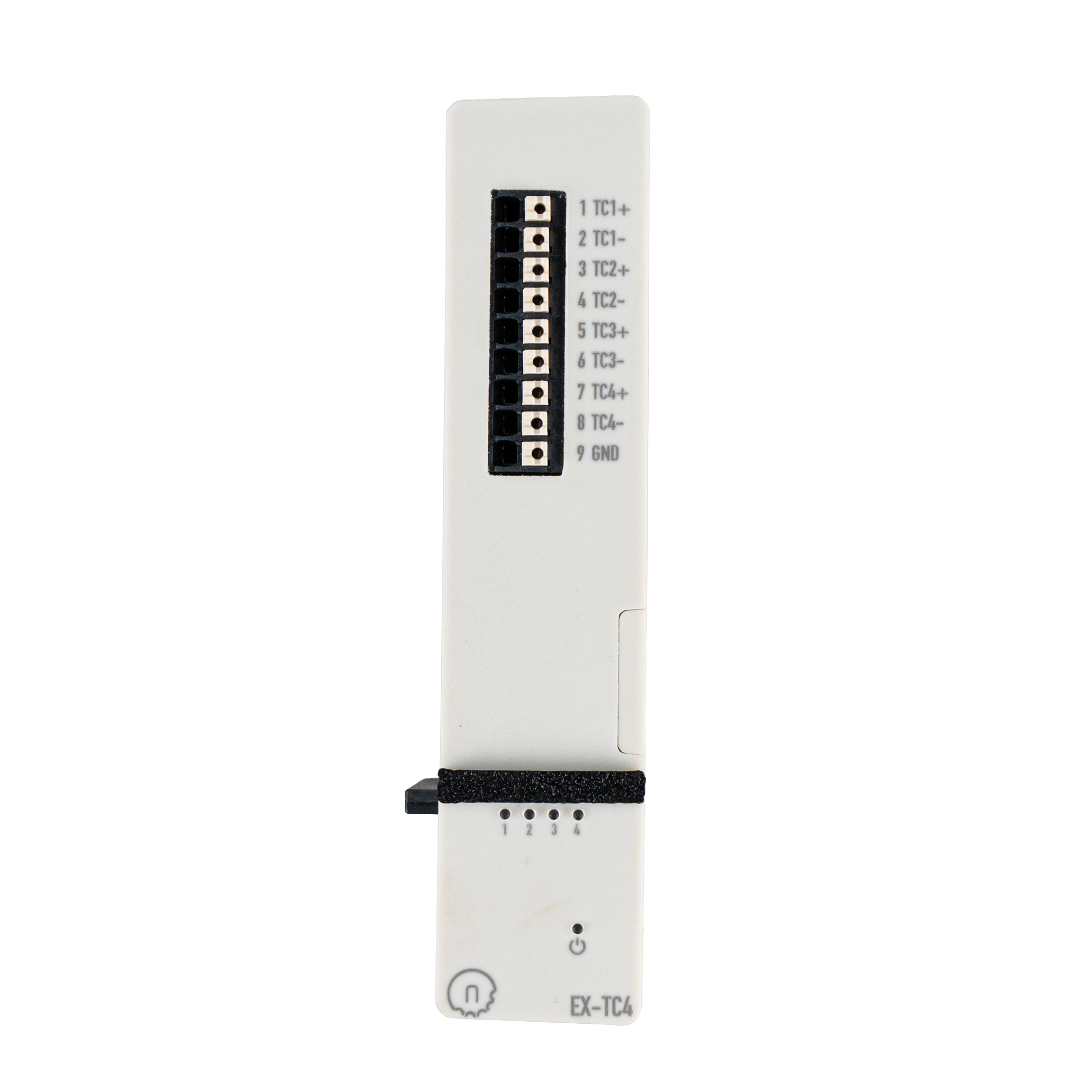
Four thermocouple inputs for industrial temperature measurement. STM32-based I2C communication with up to 16 selectable addresses.
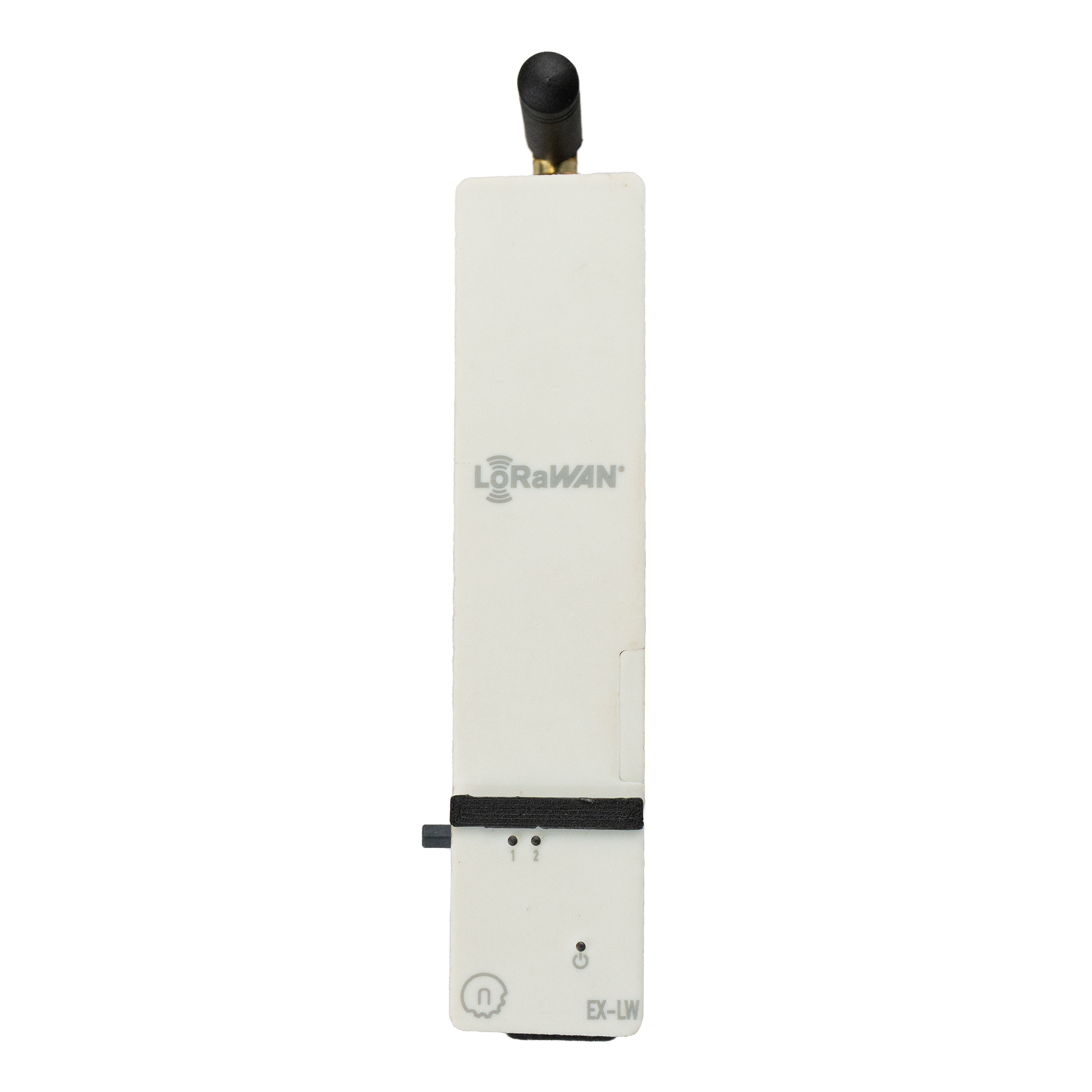
LoRaWAN 1.0.3 and LoRa P2P communications using the RAK4630 and Semtech SX1262 for long-range industrial telemetry.
A direct comparison of what sets the NORVI X apart from conventional industrial controllers.
Feature
NORVI X
Traditional PLC
Initial Cost
High: full system cost upfront
Programming Environment
Proprietary software with licensing fees
IoT / Cloud Connectivity
Expensive communications modules required
Firmware Updates
Manual on-site reprogramming
Developer Community
Vendor-specific support only
Customisation
Limited to vendor feature set
Display / HMI
Separate HMI panel required
Every specification chosen for long-term reliability in demanding factory environments.
Precise automation with scalable I/O for any production line, replacing traditional PLCs at lower cost.
For example, monitor sensors and actuators remotely over LTE or Wi-Fi while streaming data to a cloud platform or SCADA system.
As a result, native MQTT and Modbus support can bridge legacy equipment to cloud platforms without additional gateway hardware.
In addition, relay outputs can control HVAC, lighting, and energy loads while analog inputs track process or consumption signals.
Therefore, flexible I/O and connectivity can support tailored OEM platforms without requiring a custom PCB for every configuration.
Move from idea to industrial application faster with AI-assisted programming. NORVI XN brings together an ESP32 controller, built-in cellular connectivity, and an included SIM. A dedicated co-processor handles modem operations, OTA updates, and device logs, reducing the time spent on connectivity code.
First, this page summarizes the NORVI X platform for product selection. Therefore, for wiring, electrical limits, pin assignments, modem variants, environmental limits, and compliance decisions, verify the exact CPU or expansion-module datasheet used in your project.
Product specifications vary by model. Verify the current specifications and compliance information for the exact product you choose. For purchasing or application questions, contact NORVI USA support.
Choose the exact CPU or expansion module you are using, or open the NORVI X setup and selection guides. See each product page for specifications and purchase options, and browse our Education Center for technical guidance.
From a single relay output to a modular I/O system, NORVI X can scale with your application. Check NORVI USA for U.S. product availability and shipping information.
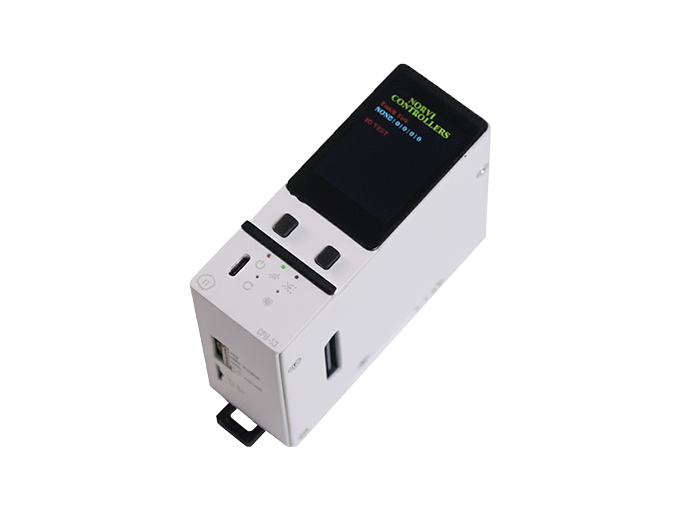
The NORVI X is a DIN-rail mountable modular industrial IoT controller built on the ESP32-S3 processor. In addition, it combines Wi-Fi, Bluetooth, Ethernet, and optional 4G LTE with an I/O expansion system supporting up to 200 I/O points. Therefore, it is designed for machine builders, systems integrators, and OEMs that need cloud-connected industrial automation with open development tools.
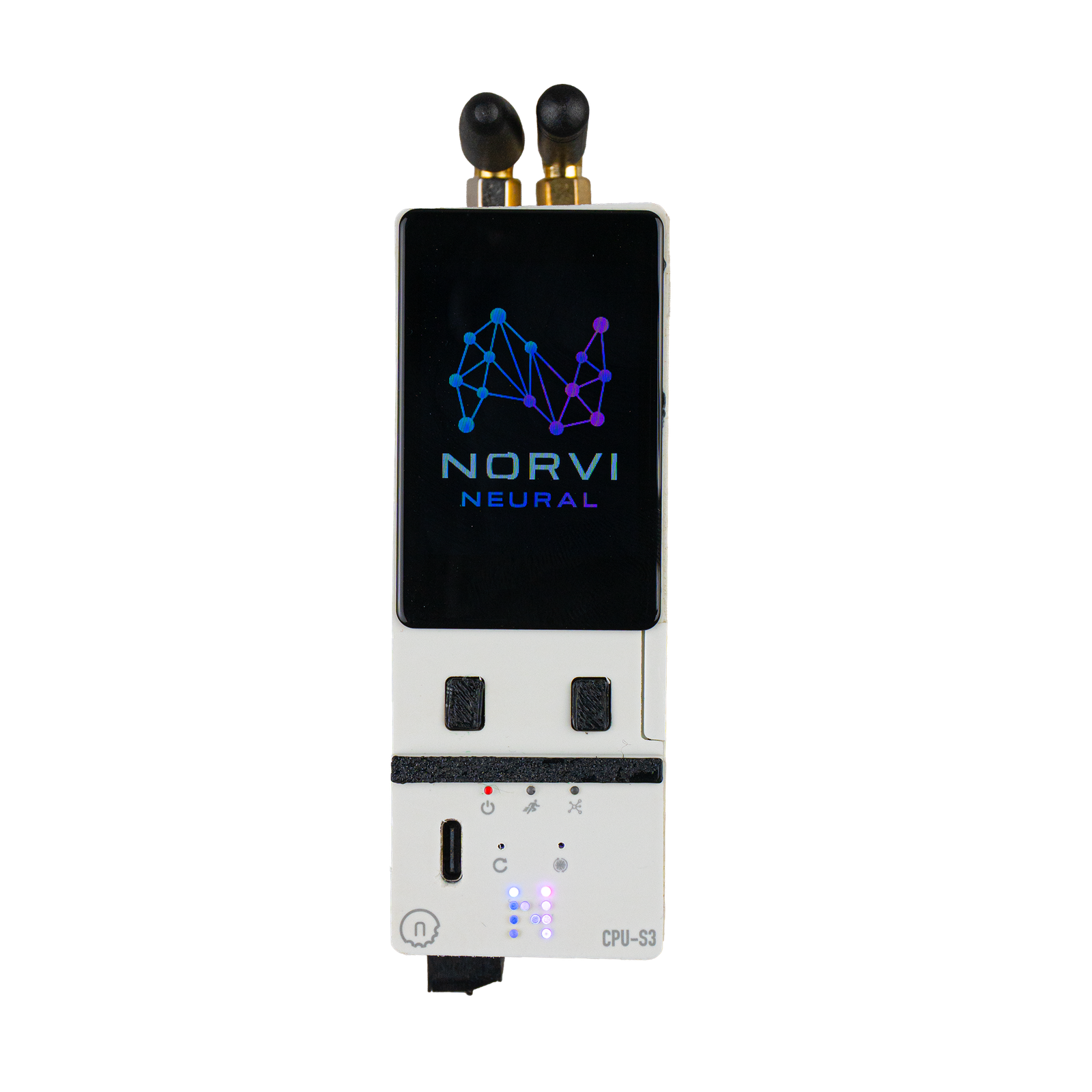
X1 and X3 are modular industrial controller CPUs. Both support the NORVI X family of compatible expansion modules. X3 adds high-speed 4G LTE; X1 focuses on wired, Wi-Fi and Bluetooth connectivity. Select your controller based on the required communication network and I/O modules.
The NORVI X supports enough expansion modules to reach 200 I/O points per controller. In addition, modules use I²C address configuration to prevent conflicts. As a result, you can mix digital, analog, relay, transistor, sensor, and communications modules in the same system.
The NORVI X supports RS-485 Modbus RTU, Ethernet Modbus TCP, Wi-Fi, Bluetooth 5.0 BLE, and optional 4G LTE. For cloud integration, it also supports MQTT and HTTP for connections to AWS IoT, Azure IoT Hub, Google Cloud, and custom brokers.
Yes. NORVI X supports open development tools including Arduino IDE and ESP-IDF. Refer to the model documentation and our Education Center for relevant programming guidance.
The NORVI X is IEC 61131-2 compliant for functional safety and EN 61010-1 certified for electrical equipment quality. In addition, the listed operating range is −10 °C to +85 °C, with ESD protection up to 4 kV contact / 8 kV air discharge and optical isolation on I/O channels.
NORVI X certification information is presented against the applicable harmonised standards for electrical safety, RF exposure, electromagnetic compatibility, and radio performance.
In addition, the table below separates the standards by test area so engineers can review the compliance scope more quickly.
Area
Applicable Standard(s)
Safety (Electrical)
Outdoor Safety
RF Exposure / Health
EMC (General/IT)
EMC (Wireless)
Industrial EMC
Radio (Wi-Fi / BLE)
Environmental
Testing covers the product’s core module and integrated communication interfaces. However, standards applicable to optional communication modules are assessed separately according to the specific module fitted to each product variant. Finally, full test reports and the Declaration of Conformity are available on request through Technical Support.
NORVI X is one of seven ESP32 PLC series, ranging from fixed-I/O panels to a 200-point modular platform. Therefore, compare specifications, connectivity, and pricing across the entire range before you choose.