
How to Choose an ESP32 Industrial PLC: A Practical Buyer’s Guide
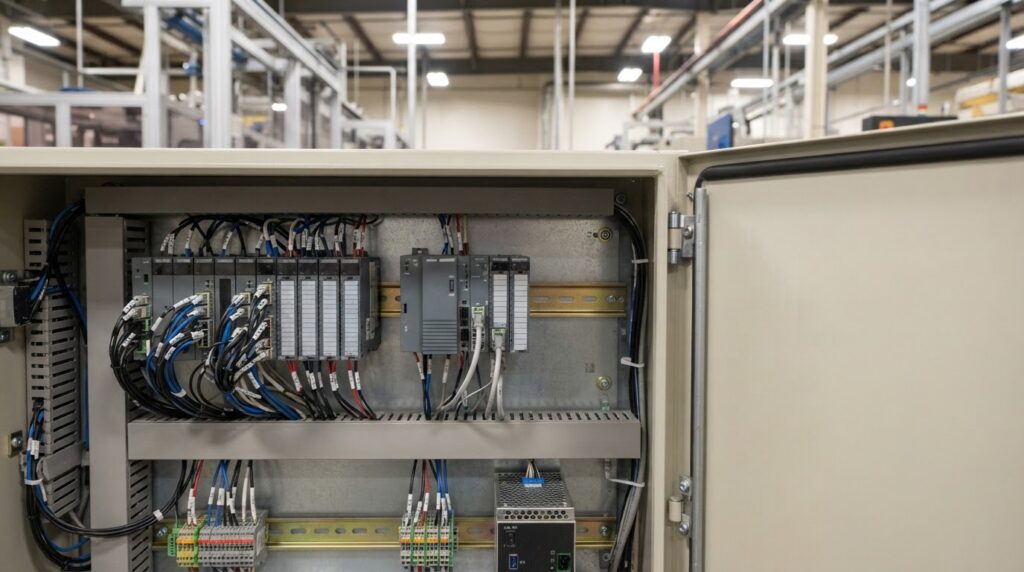
A practical ESP32 industrial PLC selection guide covering field I/O, Ethernet and LTE, 24 V power, safety boundaries, and real project cost.
Industrial Controller Reliability: Power, Watchdogs and Recovery
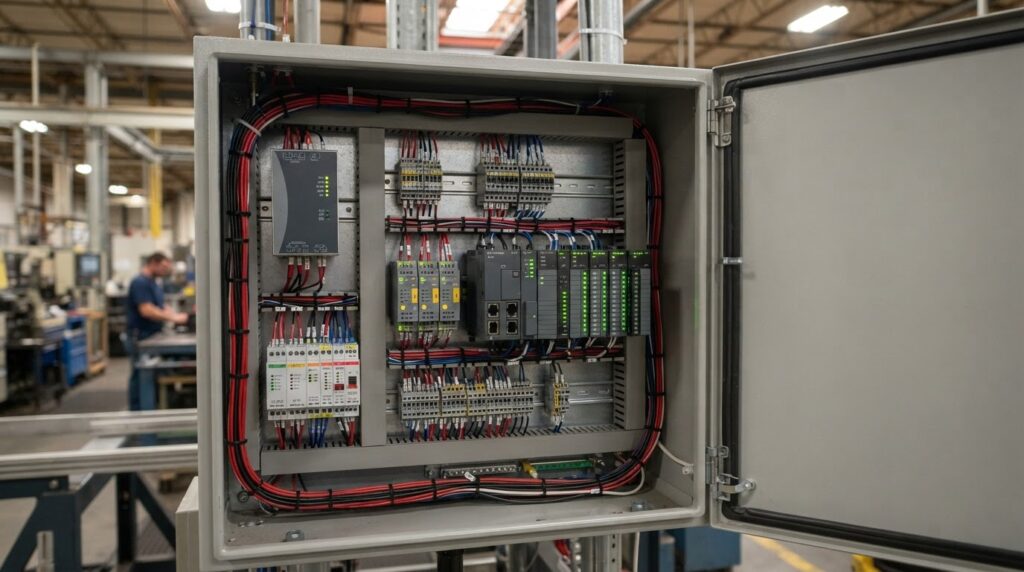
Reliability comes from the entire installation. Learn the failure scenarios to test when deploying an ESP32 or other industrial controller.
Industrial PLC Cost: Hardware, Installation and Lifetime Budget
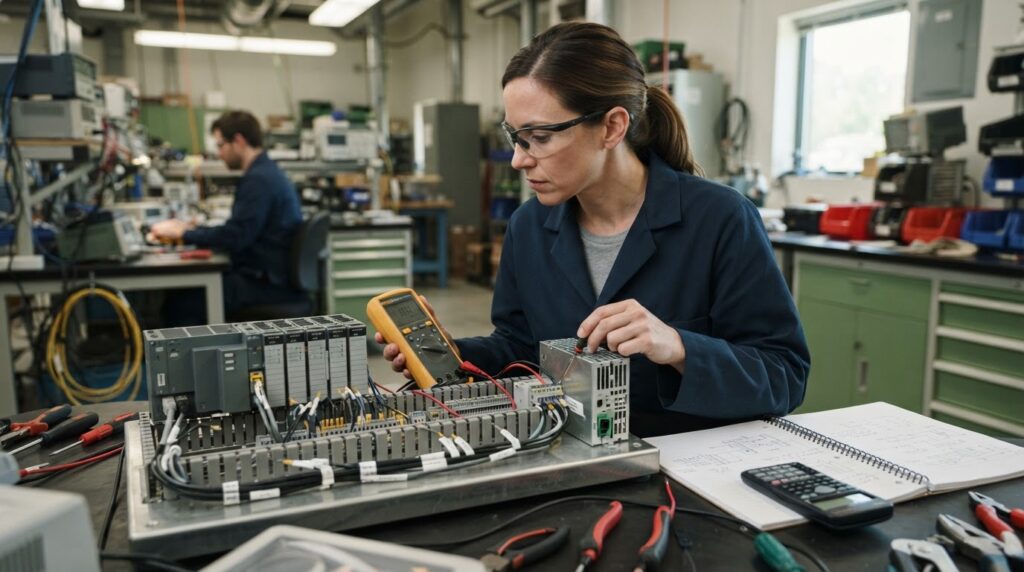
Compare industrial PLC projects by total installed and lifecycle cost, not just the CPU purchase price. Includes a practical budgeting worksheet.
NORVI X1 Industrial Controller Guide: Ethernet, RS-485 and I/O
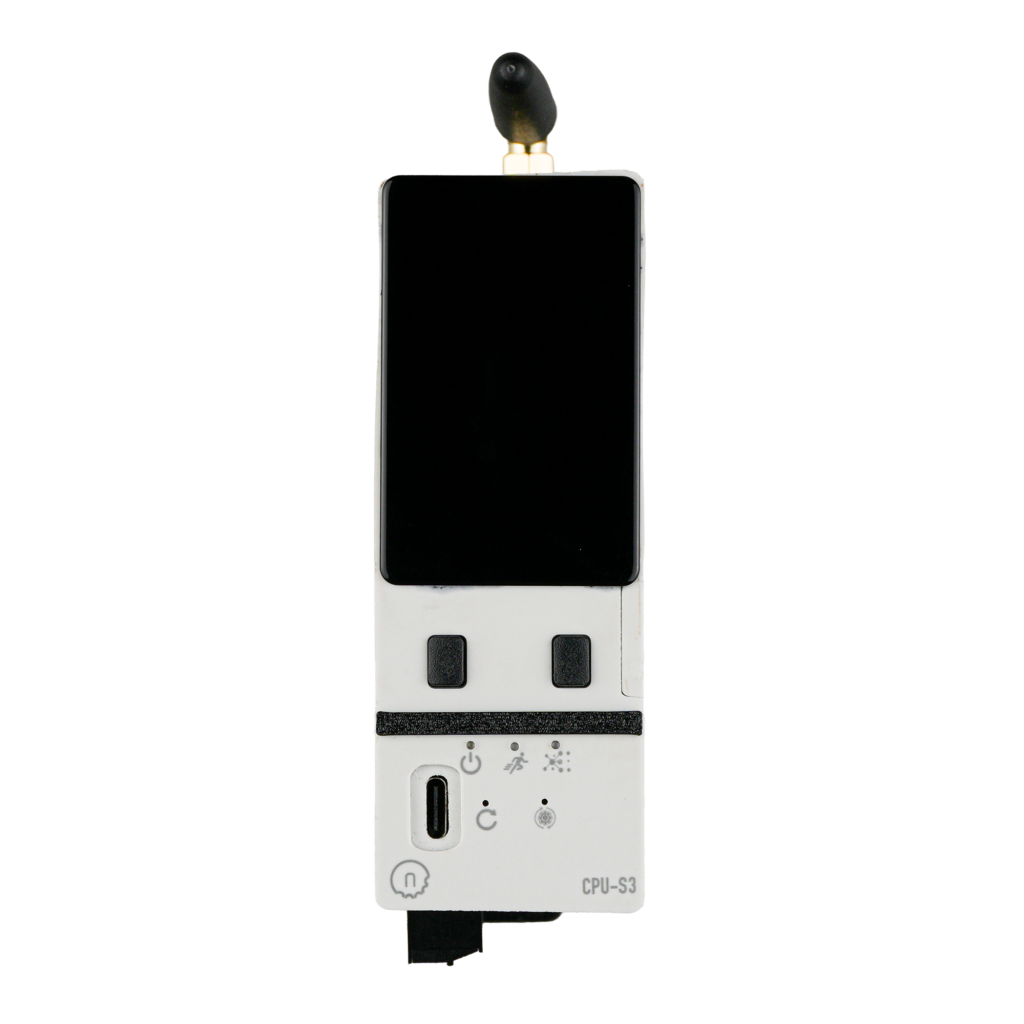
An engineering overview of the NORVI X1 ESP32-S3 controller, including what is built into the CPU and what requires compatible expansion modules.
PLC I/O List: How to Count Digital, Analog and Expansion Points
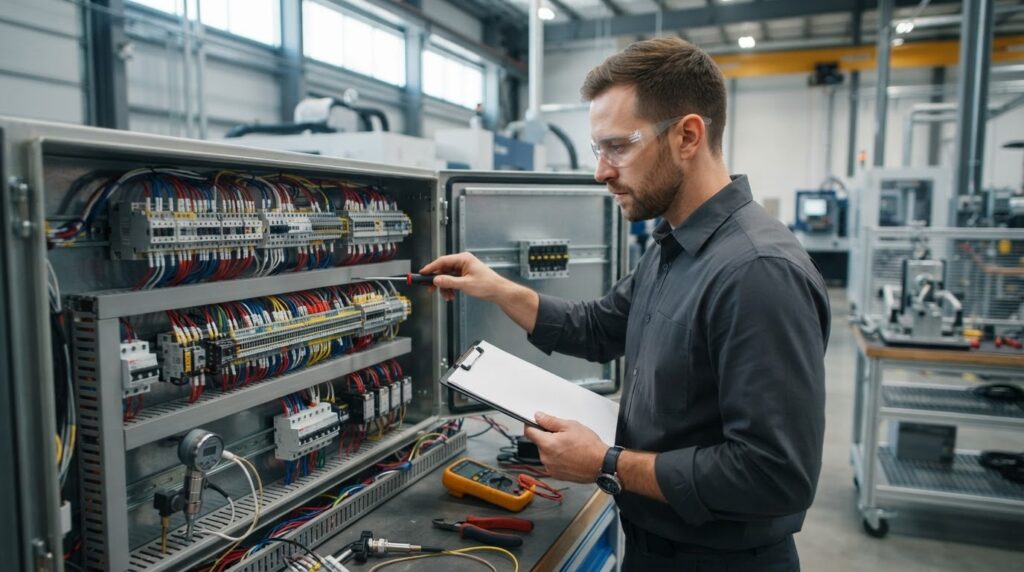
Turn a machine’s sensor and output list into a controller bill of materials without mixing signal types or overlooking expansion limits.
Small Industrial PLC Buying Checklist: 24 V, I/O, DIN Rail and Safety
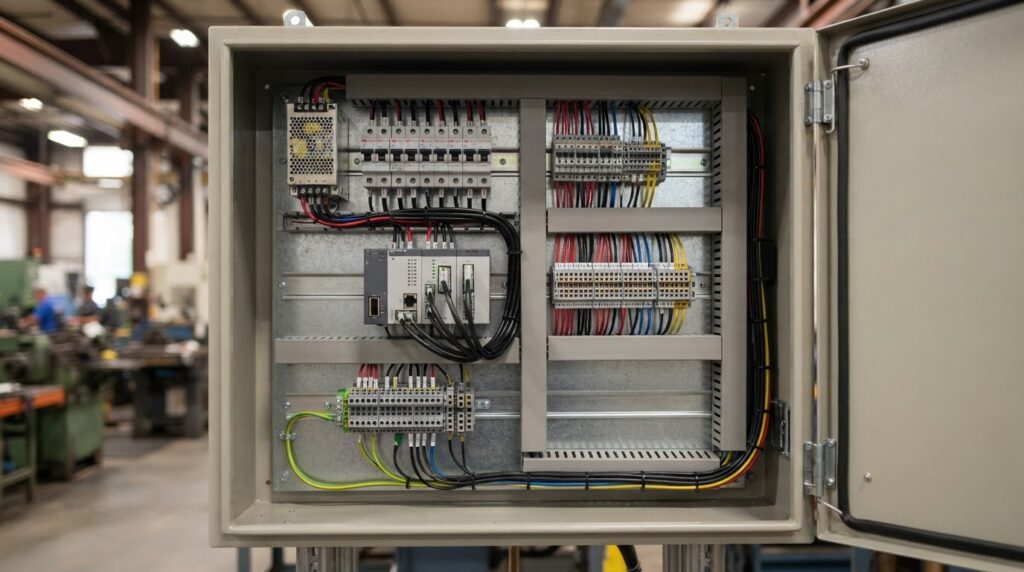
Ten practical checks for selecting a compact industrial PLC and integrating it into a control panel without missing critical details.
ESP32 PLC vs Traditional PLC: When to Use Each
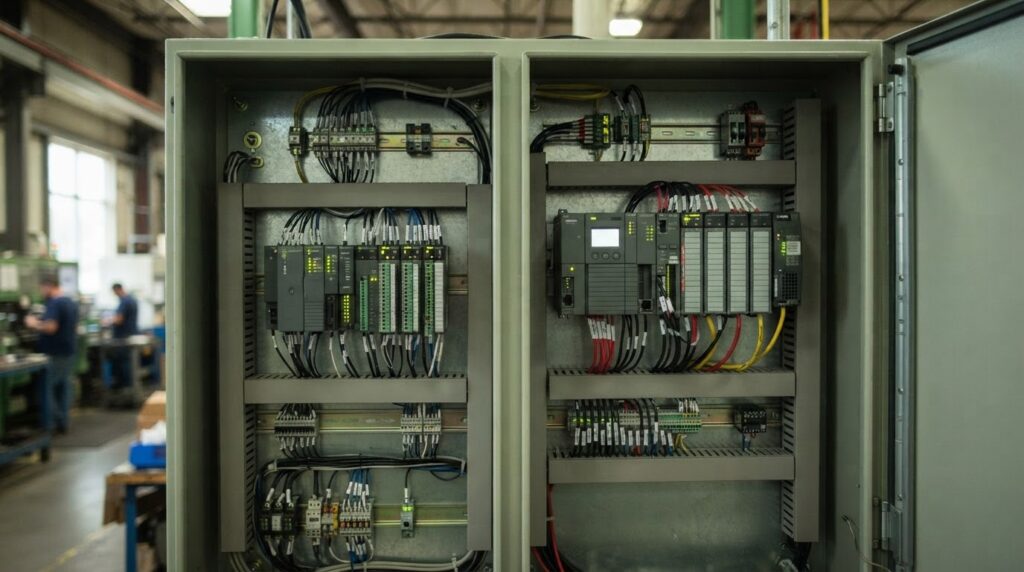
An engineering comparison of ESP32 industrial controllers and traditional PLC platforms, including where each approach is the better fit.
What Is an ESP32 PLC? Industrial Controller vs Development Board
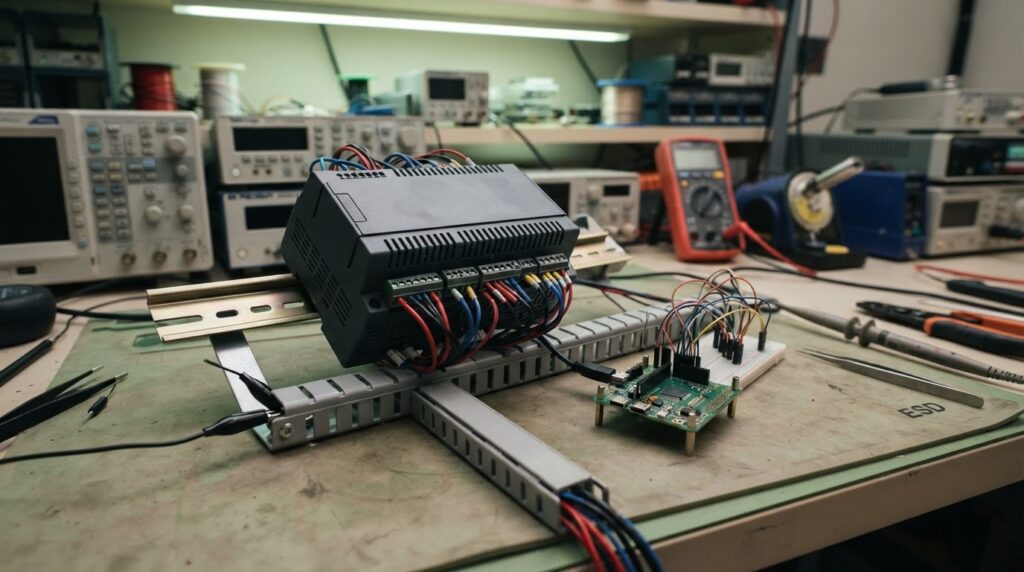
Learn what makes an ESP32-based industrial controller different from an ordinary development board, and what must be validated before deployment.
NORVI X Starter Bill of Materials: Build Your First Modular System
Ordering a modular controller starts with more than a CPU. You need a repeatable bill of materials (BOM) that matches real signals, power and network access. This guide illustrates how to organize the first NORVI X configuration while leaving space for engineering validation. 1. Pick the CPU based on connectivity Choose when the machine will […]
Remote Tank Level Monitoring: Sensor, Logger, Network and Cloud
Remote tank-level monitoring is a useful example of a full industrial IoT system because the correct hardware depends on the tank, not just the network. A typical design links a level sensor, measurement interface, data logger/controller, communications service and a receiving application. Define what the user needs to know Does the operation need a reading […]